
AI-driven development for engineering teams
10x the output. Better code. A fraction of the team.
Used well, AI doesn't make your engineers a bit faster. It changes how many people your roadmap needs. We set your team up to work that way with a setup built around you, and it's usually simpler than the one you have.
 Alex Dochioiu leads every engagement personally. Founder of VESPR and Sesori.
The difference
Most teams use AI as autocomplete. The gains are somewhere else.
The surprising part
Most AI setups are too big. That's why they don't pay off.
Companies pile on tools, rules and integrations hoping each one helps. Together they work against you: agents get confused, people get lost, and the promised speed never shows up.
We usually start by taking things out.
-
Every tool at onceCopilot, Cursor, three chat apps and an internal bot. Nobody gets good at any of them.
-
Rule files thousands of lines longAgents follow a long, contradicting rulebook worse than a short, precise one.
-
Dozens of plugins and MCP serversThe agent's context fills with noise before it has read a line of your code.
-
A homegrown AI platformMonths of building infrastructure before anyone ships a single feature faster.
-
Process heavier than the workApproval chains and prompt libraries that people quietly route around.
Built around you
No two teams get the same setup. A few things never change.
Shaped by
- Your stack, codebase and its history
- How your teams are shaped and how work flows
- Your security, compliance and vendor rules
- What your people already know and like using
Always true
- Agents do whole tasks, not just the next line
- Context is small and precise, never a dump
- Review and tests keep up with the output
- Secrets and sensitive code stay out of reach
Why smaller wins
When output goes up 10x, coordination becomes the cost.
Every person you add is another line of communication to keep in sync. Ten people means 45 of them: standups, handoffs, waiting on each other. Three people means three.
Once one engineer with agents ships what a whole squad used to, the squad mostly spends its time keeping up with itself. Small teams that own features end to end simply move faster.
Better code, not just more
Agents don't get tired, rushed or bored. Your code shows it.
Every change ships with tests
Agents never skip them for a deadline. Coverage goes up while you ship more, not less.
Every pull request gets a second pair of eyes
An automated reviewer reads every line for bugs, security and your conventions before a person does.
Your conventions are actually followed
Written down once, applied to every change. The codebase stops drifting between teams and years.
The boring fixes finally get done
Upgrades, refactors, docs and flaky tests stop living in the backlog, because they cost minutes now.
What it means for you
Less managing the machine. More shipping.
Your roadmap moves
Things that sat in "next quarter" for a year ship this month.
Hiring stops being the plan
Growth comes from leverage, not headcount, recruiting cycles and onboarding.
Fewer meetings, fewer handoffs
Small teams own whole features end to end, so less gets lost in between.
A real answer for the board
We measure before and after on numbers you choose. "What is AI doing for us" has an answer.
Why listen to us
A small team. Software trusted with $400M.
We built VESPR, a self-custody Cardano wallet, bootstrapped with no VC and no token. A small team runs it across iOS, Android, Chrome and hardware wallets, where one bad release costs people real money.
Now we build Sesori with coding agents every day. You get what works on production code, not a vendor's demo.
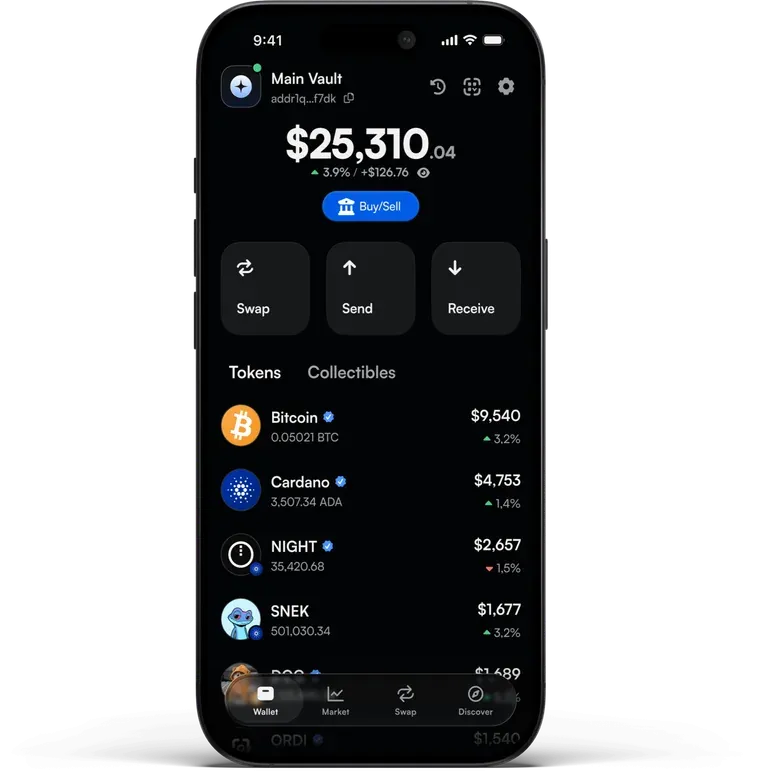 VESPR · built by hand since 2022
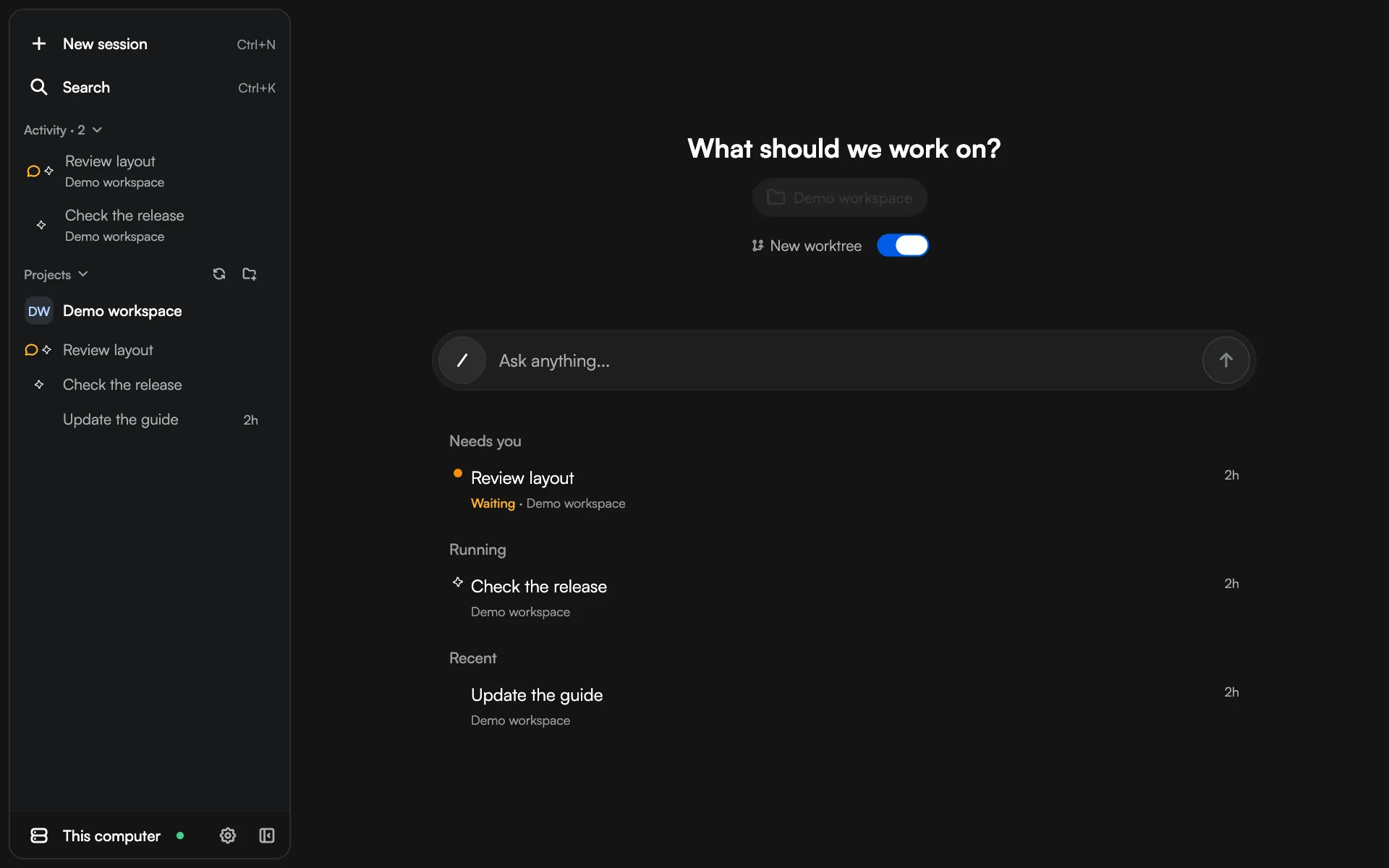 Sesori · built with agents
How we get you there
Prove it on one team. Then roll it out.
Weeks 1–3
Understand how you work
Your code, your tools, your rules and where people lose their days. We find what to add, and usually more to remove.
Weeks 4–9
Tailor it on one team
We build the simplest setup that fits, on your real codebase, and work alongside the team until it is simply how they work.
Then
Roll it out
Adapted for each team as the rest of engineering adopts it, with the pilot team as proof inside your own walls.
Security and data
Faster, without new risk.
We've run software that holds other people's money. Your code gets the same care.
- Your code stays under your rules
- We review each AI provider's data and retention terms with you and use zero-retention or enterprise plans where available.
- Secrets never reach a model
- Credentials, customer data and restricted repositories stay out of agent context by configuration.
- Agents get least privilege
- What an agent may run, read and push is set explicitly. Anything reaching production goes through human review.
- EU company, GDPR by default
- NDAs and data processing agreements as standard.
Who you'll work with
Alex Dochioiu
I started in banking, building software at American Express, Virgin Money and Tesco Bank. Then I founded VESPR and grew it with a small team to $400M+ in self-custody, written by hand before coding agents existed.
Now I build Sesori with agents and compare every major one on a product that ships. I've worked both ways from the inside, and I know which one I'd pick.
Questions
What teams ask first.
Is 10x real?
On the right work, yes, and it is how we build Sesori. It does not come from installing a tool. It comes from changing how the team works: agents draft, people decide, and review and testing keep up.
Does this mean a smaller team?
It means the same roadmap needs far fewer people, and small teams move faster because they spend less time coordinating. Whether you ship much more or run much leaner is your decision. We help with either.
Do you have a standard setup?
No. A handful of principles hold everywhere, but the setup itself is built around your stack, your teams and your rules. More often than not, the biggest win is removing things that are already there.
We already pay for Copilot. Isn't that enough?
Autocomplete makes engineers a little faster. The big gains come from agents doing whole tasks with the right context and review around them. That is the part most teams are missing.
Won't AI-written code be worse?
Only if it is used carelessly. Set up properly, every change comes with tests and an automated review, and your conventions are applied every time. In our experience the code gets better.
Will our code be sent to AI providers?
Only under terms you approve. We review each provider's data and retention terms with you, use zero-retention or enterprise options where available, and keep secrets out of agent context.
Which tools do you recommend?
Whatever fits your stack, security requirements and budget, and usually fewer than you have. We are not resellers and are not paid by any vendor.
Find out what your team could ship with a simpler setup.
Tell us how your team works today. In 30 minutes we'll tell you where the biggest gains are, whether or not you hire us.